Fatih
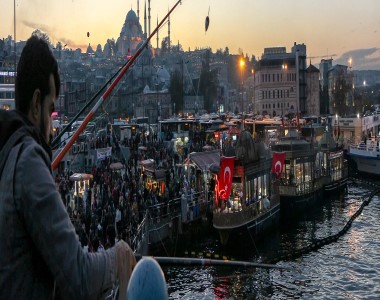
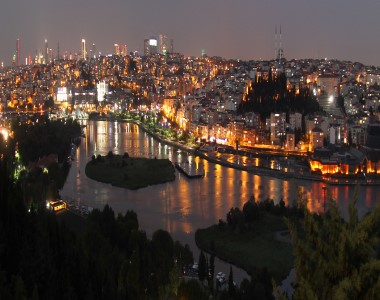
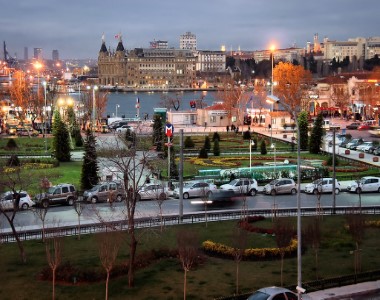
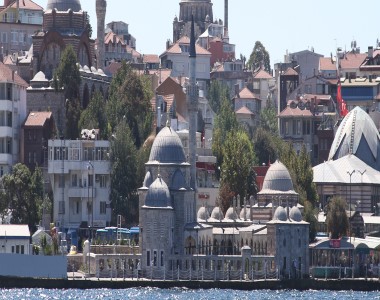
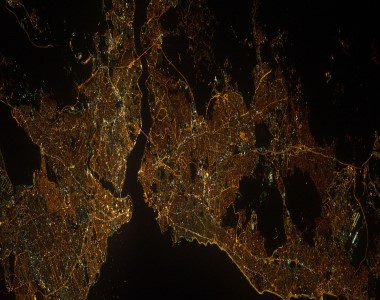
Both historically and architecturally, the oldest and most significant, district of Istanbul is Fatih. This area is located upon the historic peninsula of the city, overlooking the Golden Horn, the Bosphorus and the Sea of Marmara.
All of this makes it a popular place for tourists and a part of the city you can’t afford to miss when visiting.
Encompassing the area where once stood the ancient city of Byzantium, this district’s territory has seen its fair share of great leaders, great architectural wonders, and great conquests. Its geographical position is the main reason for the rich history of it, since it was perfectly located to overlook the Bosphorus, which was an important sea passage throughout the ages, as well as to have control of the Golden Horn, which was an ideal natural seaport with immense capacity.
Coupled with the fact that it was on a peninsula, which is easy to fortify and defend, this meant that the site of the Byzantium, and later Istanbul, was one of strategically most important points in Europe and the whole ancient world; hence it was the target of many great conquerors looking to expand their empires.
The district was named after one of the most celebrated sultans in Turkey and all of Islamic world, Fatih Sultan Mehmed, meaning Mehmed the Conqueror. Hise final resting place is located in this district, right next to the Fatih Mosque.
This mosque holds a very important place in the city’s history, since it was the first mosque built here after the fall of Constantinople. All the previous ones in Istanbul were actually churches that were transformed into mosques by groups of Islamic scholars after a three day pillaging, immediately after the conquering of the city. Not only was it a sacred place of worship, but it also encompassed an important academic centre for various Islamic sciences, founded by Ali Qushji, on the order from the sultan.
Built on the site of a former Byzantine church during the 1460’s, the structure laid the foundations for all the monumental Ottoman imperial buildings, such as other mosques or palaces. Unfortunately, the history of this structure is filled with destruction, with earthquakes damaging it several times during the centuries, before it was finally ruined beyond repair in 1766. The mosque that can be seen today was constructed on the ruins of the original one five years later, but it doesn’t have very much in common with it.
Perhaps one of the most fascinating structures, due to its ancient origins and the breath-taking size of it, is the Valens Aqueduct. This spans 921 metres across the Fatih district and intersects with the Ataturk Boulevard. The construction of the water supply system that this Aqueduct was a part of begun during the reign of the Roman emperor Hadrian, and was completed under Emperor Valens, after whom it got its name. During the rule of Constantine I, the city’s growing population demanded changes in the infrastructure, and this system expanded to an amazing 250 kilometers, making it the biggest one of its time. In the Ottoman period, this system was constantly repaired, restored and expanded.
Another building constructed by the Ottomans on the ruins of the Byzantine structures was the Yedikule Tower, translating literally to “Fortress of the Seven towers”. Built shortly after the conquest of Constantinople, by adding three towers to the existing four, it was meant to be a state treasury, but it served throughout history as a prison for many enemies of the state, both domestic and foreign. After closing, it was re-opened in 1985 as a museum, which remains open to this day. During the summer months, you can also enjoy an open-air theatre and various concerts held inside the walls.
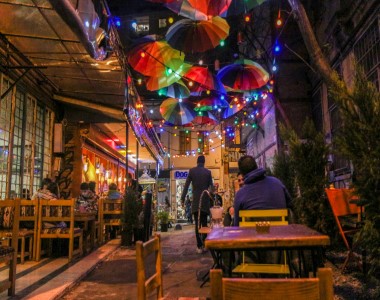
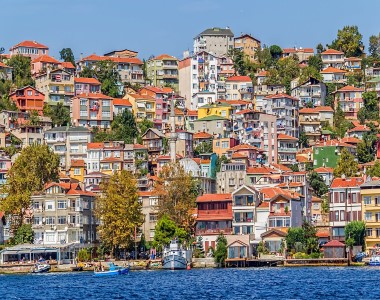
In the 18th century, the urbanization of Fatih began, transforming the district from an area with small wooden houses into a busy residential area. Several fires also changed the look of the district, destroying at times entire neighborhoods. Today, this area is more cosmopolitan than it used to be, and it’s mostly populated by working class people; however it’s still worth visiting for the “Istanbul of old” feel.
To experience the real way of life of Istanbulians, you should check out the Fatih market, the oldest and biggest market in the city, with almost 5,000 stands, over more than 20 streets, with various goods on sale.
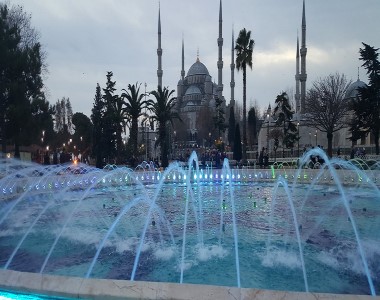
Of course, there’s always the Eminonu neighborhood, the most popular touristic destination, with architectural marvels like Hagia Sophia, the Blue Mosque, and Topkapi Palace nearby.
Visit Hours: The Anatolian Castle is opened daily and only outer walls can be visited.